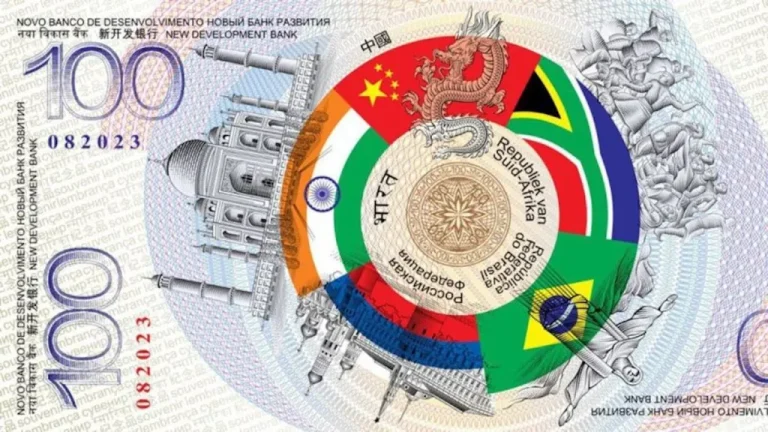
As India prepares to host the BRICS summit later this year, attention is turning to a quiet but strategic initiative: a BRICS digital payment system built on interoperable central bank digital currencies (CBDCs). Rather than launching a new shared currency, the bloc is betting that practical infrastructure will reshape global finance more effectively than symbolic gestures.
This approach has flown under the radar—partly because it avoids flashy calls for a “BRICS currency” or direct attacks on the U.S. dollar. Yet its low-profile nature may make it more impactful. By focusing on real-world functionality, the group aims to create alternatives that actually work.
Specifically, the proposal seeks to connect existing national CBDCs—like India’s digital rupee, China’s digital yuan, and Russia’s digital ruble—through a common technical framework. Each country retains full control over its money. What changes is how these currencies interact across borders.
In practice, this would let businesses settle trade directly in their own currencies. Transactions would bypass correspondent banks and the dollar-dominated SWIFT network. The benefits are clear: faster payments, lower fees, and less exposure to Western sanctions or asset freezes.
Importantly, this is not about creating a single BRICS currency. Past attempts failed due to deep economic differences—such as mismatched inflation rates, capital controls, and fears of Chinese dominance. The current plan sidesteps those pitfalls by respecting national sovereignty.
India plays a central role in driving this vision. As summit host, New Delhi has shifted the conversation from theory to action. Its success with the Unified Payments Interface (UPI)—a domestic system that links banks, wallets, and merchants—shapes its belief in interoperability without surrendering control.
The Reserve Bank of India stresses that the digital rupee is not a cryptocurrency. It is a state-backed digital form of cash, designed to boost efficiency while keeping monetary policy firmly in national hands. That explains why India rejects a supranational currency but supports cross-border CBDC links.
Past experience also informs this stance. An earlier rupee-ruble trade deal with Russia backfired when Moscow accumulated rupees it couldn’t spend—dubbed the “rupee trap.” The lesson? Bilateral fixes aren’t enough. A multilateral network is needed so earned currencies can circulate widely across the bloc.
In summary, the BRICS digital payment system represents a pragmatic path forward. Instead of challenging the dollar head-on, it builds parallel rails that empower members to trade freely—on their own terms. If successful, it could quietly accelerate the fragmentation of the global financial system, one digital transaction at a time.
READ: South Africa Holds Rates Steady Amid Inflation Concerns