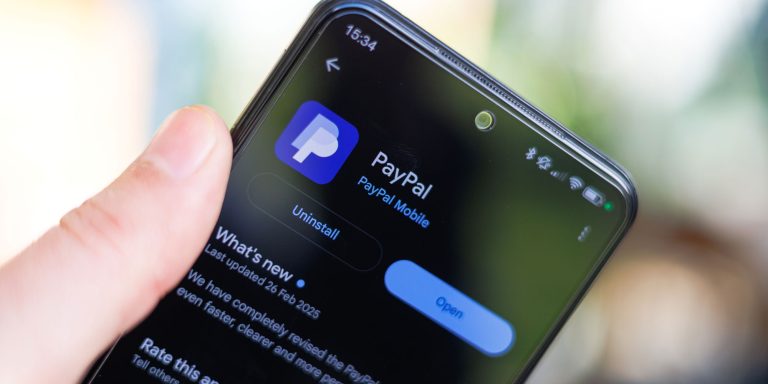
The PayPal deposit scam is emerging as a highly convincing fraud tactic, with criminals exploiting legitimate payment notifications to trick users into handing over sensitive information. The method relies on a small but real transaction that creates a false sense of trust.
Scammers initiate the scheme by sending a token amount, often as little as 1p, into a victim’s PayPal account. This triggers an authentic email from PayPal, which makes the activity appear legitimate. As a result, recipients may assume the message is safe and proceed without suspicion.
The deception deepens through a carefully crafted note attached to the payment. It typically claims that the small deposit confirms the account is active and suggests that a larger payment will follow. At the same time, it warns users to contact customer support if they did not authorise the transaction.
However, the contact details included in the message lead directly to fraudsters. When victims call the number, scammers pose as support agents and attempt to extract personal or financial information. In many cases, they ask for login credentials, banking details, or verification codes.
Experts say the PayPal deposit scam works because it blends legitimate signals with malicious intent. Lisa Webb, a consumer law specialist at Which?, explained that scammers rely on urgency and trust. She noted that official-looking messages often prompt quick reactions, which reduces the chance that users will verify the source.
In some cases, the fraud goes further. Victims who call the number may receive instructions to download remote access software. This step allows criminals to control the device, access accounts, and potentially transfer funds without consent. Such attacks fall under a broader category known as remote access scams.
The PayPal deposit scam also appears in several variations. For instance, some users receive small payments in foreign currencies, accompanied by unfamiliar phone numbers. Others report that the emails originate from what looks like an official PayPal address, adding another layer of credibility.
Security specialists stress that users should avoid responding to any unexpected payment messages. Instead, they should log in directly through the official PayPal website or mobile app to verify account activity. This approach ensures that users rely on trusted channels rather than potentially compromised communications.
Preventive steps remain essential. Users should update their passwords regularly and create strong, unique combinations that are not used elsewhere. In addition, enabling two-factor authentication provides an extra layer of protection against unauthorised access.
The PayPal deposit scam highlights the importance of recognising common warning signs. Suspicious messages often include unusual contact details, requests for sensitive information, or pressure to act quickly. Poor grammar or formatting may also indicate fraudulent intent, although some scams now mimic professional communication closely.
PayPal has reiterated that it does not include phone numbers in payment notifications or demand urgent action through unsolicited messages. The company advises users to report suspicious emails to its dedicated phishing address and delete them immediately after reporting.
If a user suspects fraud or notices unauthorised activity, immediate action is critical. Contacting a bank using the official number on the back of a card can help limit financial damage. In addition, reporting the incident to national fraud authorities supports wider efforts to track and stop such schemes.
As digital payments continue to grow, scams like the PayPal deposit scam are becoming more sophisticated. Nonetheless, awareness remains a powerful defence. By slowing down, verifying sources, and avoiding untrusted contact points, users can significantly reduce their risk of falling victim to these evolving threats.