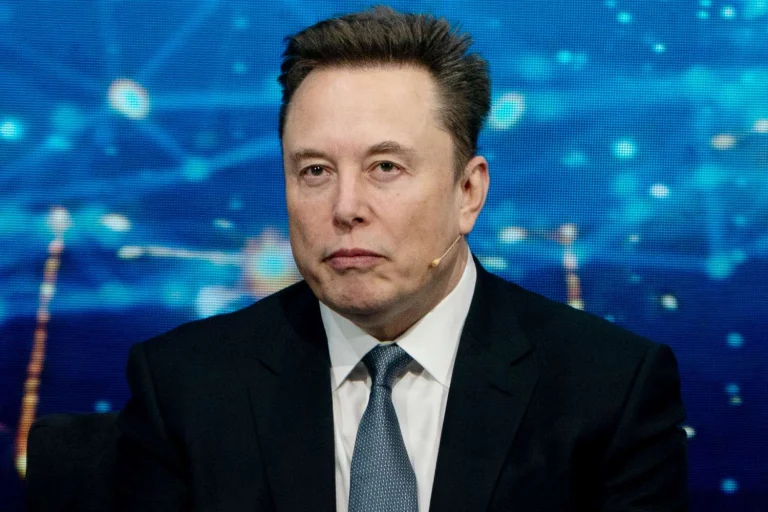
SpaceX fortune has pushed Elon Musk into a financial category no individual had reached before, after the company’s record Nasdaq debut lifted his estimated net worth above $1 trillion.
Forbes declared Musk the world’s first trillionaire after SpaceX began trading publicly, turning one of the world’s most valuable private companies into a public-market giant. The company priced its shares at $135, raised about $75 billion and traded strongly enough to push its valuation beyond $2 trillion.
The milestone is historic, but it is not only a story about one entrepreneur becoming richer.
It is also a story about how markets now value technology companies that sit at the centre of future infrastructure. SpaceX is no longer viewed only as a rocket firm. Investors are treating it as a business built around launches, satellite broadband, government contracts, strategic communications and long-term space systems.
That makes Musk’s trillionaire status both a personal wealth record and a signal of where global capital is moving.
The first trillionaire did not come from oil, banking or retail. He came from rockets, satellites, electric vehicles and investor belief in future technology.
Quick Facts About Musk’s SpaceX Fortune
| Category | Detail |
|---|---|
| Person | Elon Musk |
| Wealth milestone | First publicly recognised trillionaire |
| Main trigger | SpaceX public listing |
| Exchange | Nasdaq |
| IPO price | $135 per share |
| Capital raised | About $75 billion |
| SpaceX valuation | Above $2 trillion during trading |
| Forbes estimate | Above $1 trillion |
| Key company assets | Rockets, Starlink, satellites and space systems |
| Main debate | Innovation, valuation, wealth concentration and public power |
Why This Wealth Record Matters
Musk crossing the trillion-dollar mark matters because it changes the scale of global wealth.
For decades, billionaire rankings were the highest level of personal fortune. A trillionaire was something analysts predicted might eventually appear, but it remained theoretical.
SpaceX’s IPO changed that.
The company’s public listing gave investors a market price for one of Musk’s most valuable holdings. Since he owns a major stake, the value of that holding rose sharply when SpaceX entered public markets at a massive valuation.
That pushed Musk above $1 trillion in estimated net worth.
However, the wealth is mostly not cash. It is tied to shares, stock options and company valuations. If SpaceX or Tesla shares fall, Musk’s fortune could drop. If they rise, his net worth could climb further.
The record is therefore market-based, but it remains historically important.
SpaceX Is Now More Than a Private Space Company
Before the listing, SpaceX was already one of the most watched private companies in the world.
It had changed rocket launches through reusable technology, expanded Starlink satellite internet and become a major player in government and commercial space work.
Now it is a public company with a valuation that places it among the world’s most powerful corporate names.
That transition changes the company’s role.
SpaceX is no longer only a bold private venture controlled by a famous founder. It is now a listed business that public investors, analysts, regulators and institutions will examine more closely.
That means greater access to capital, but also greater accountability.
The company must now prove that its valuation is supported by revenue growth, execution and long-term business strength.
Why Investors Are Paying for the Future
SpaceX’s valuation shows that investors are paying for future possibilities as much as current performance.
They are betting on reusable rockets, Starlink’s global broadband potential, government space contracts, defence-linked services and future space infrastructure.
This is what makes SpaceX different from a traditional aerospace company.
Its business model connects hardware, software, communications and infrastructure. It can build satellites, launch them, operate networks and sell services directly to customers.
That gives SpaceX a rare level of control over its ecosystem.
Investors see that structure and imagine a company that could dominate several markets at once.
The risk is that the future must now arrive fast enough to justify the price.
Starlink Is Central to the Valuation
Starlink is one of the most important parts of the SpaceX story.
Rocket launches made SpaceX famous, but satellite internet gives the company a recurring-revenue business with global reach.
Starlink can serve homes, businesses, aircraft, ships, rural communities, emergency operations and government users. That makes it more than a side project. It is a major commercial engine.
The network also benefits from SpaceX’s launch advantage.
Because SpaceX can launch its own satellites, it can expand faster and potentially manage costs better than competitors that depend on outside launch providers.
If Starlink keeps growing, it could help justify much of SpaceX’s valuation.
If it struggles, investors may question whether the IPO excitement went too far.
Public Markets Bring New Pressure
The SpaceX IPO is a victory, but it also creates new pressure.
Private companies can operate with more freedom. They can pursue long-term projects without the same level of public reporting and shareholder scrutiny.
Public companies face a different environment.
SpaceX will now be judged on growth, margins, capital spending, contracts, profitability and execution. Investors will expect updates. Analysts will ask difficult questions. Regulators may take a closer look.
That scrutiny could help SpaceX become more disciplined.
But it could also create tension with the company’s long-term ambitions. Space projects often require patience, heavy spending and tolerance for technical setbacks.
The market may not always be patient.
Musk’s Leadership Becomes an Even Bigger Issue
Elon Musk is central to SpaceX’s appeal.
His supporters see him as a founder who has repeatedly pushed industries into new territory. Tesla accelerated the electric vehicle transition. SpaceX changed rocket economics. Starlink expanded satellite internet access.
But Musk also brings risk.
He is involved in several major companies, including SpaceX, Tesla, X, xAI and Neuralink. That raises questions about attention, governance and management focus.
Now that SpaceX is public, investors will watch those questions more closely.
Musk’s public statements, leadership choices and time allocation could all affect market confidence.
The company’s valuation may be based on technology, but the Musk factor remains part of the stock story.
Why the First Trillionaire Came From Future Infrastructure
Musk’s rise above $1 trillion says something important about the global economy.
The largest fortunes are increasingly tied to companies building future infrastructure.
In older eras, vast wealth came from oil, steel, railroads, finance and retail. Today, the biggest wealth stories are built around electric vehicles, satellites, artificial intelligence, data networks, cloud systems, robotics and space technology.
SpaceX fits perfectly into that shift.
It is not only selling products. It is building systems that could become essential to communications, transport, defence and future space activity.
That is why investors are willing to attach such a large valuation to the company.
The market is not only buying what SpaceX is. It is buying what SpaceX might become.
The Wealth Concentration Debate Will Intensify
Musk becoming the first trillionaire will deepen debate about inequality and power.
Supporters will argue that his wealth reflects innovation, risk-taking and the creation of companies that changed major industries.
Critics will argue that a fortune above $1 trillion represents extreme concentration of wealth and influence.
The debate becomes sharper because SpaceX operates in strategic sectors.
Satellite broadband, launch systems and space infrastructure affect communications, defence, disaster response and global connectivity. These are not ordinary consumer markets.
That means Musk’s wealth is also linked to questions about who controls key parts of tomorrow’s infrastructure.
The milestone will therefore attract attention from investors, policymakers and the public.
What This Means for Tesla
Tesla remains important to Musk’s fortune, but SpaceX’s listing changes the balance.
For years, Tesla was the main public-market company tied to Musk’s wealth. Investors who wanted exposure to Musk’s business empire largely focused on Tesla.
Now SpaceX offers another route.
That could shift investor attention between the two companies.
Tesla is tied to electric vehicles, energy storage, robotics and autonomy. SpaceX is tied to rockets, satellite networks and space infrastructure.
Both companies carry large ambitions. Both also carry large expectations.
Musk must now manage public-market scrutiny across two massive technology stories.
What Wall Street Learns From SpaceX
Wall Street will study the SpaceX IPO closely.
The listing shows that investors still have appetite for giant technology offerings when the company has a strong brand, a powerful founder and a future-facing business model.
That could encourage other private companies in artificial intelligence, robotics, defence technology, satellite systems and advanced computing to consider public listings.
But SpaceX’s long-term performance will matter more than its first-day excitement.
If the stock performs well, the IPO may open the door for more mega-listings. If it struggles, investors may become more cautious about paying extreme prices for future technology stories.
SpaceX is now a test case for the next generation of public-market giants.
What Investors Should Watch Next
Investors should watch whether SpaceX can turn market excitement into durable performance.
The most important areas include Starlink subscriber growth, launch activity, contract wins, profitability, capital spending and major development timelines.
They should also watch how SpaceX communicates as a public company.
Transparency will matter. Investors will want to understand where revenue comes from, how fast Starlink is growing, how much cash the company is spending and when major projects may become profitable.
The IPO created history.
Execution will determine whether the valuation lasts.
Key Takeaways
- SpaceX’s public listing pushed Elon Musk’s estimated net worth above $1 trillion.
- Forbes declared Musk the world’s first trillionaire.
- SpaceX priced its IPO at $135 per share.
- The company raised about $75 billion.
- SpaceX traded above a $2 trillion valuation during its debut.
- Musk’s wealth is mostly tied to shares and options, not cash.
- Starlink is central to the SpaceX investment story.
- The IPO makes SpaceX a public-market giant with greater scrutiny.
- Musk’s leadership remains both an asset and a risk.
- The milestone raises debate about innovation, inequality and private power.
- SpaceX must now prove that its valuation is justified.
- The first trillionaire era has begun with space technology at its centre.
Frequently Asked Questions
What is the SpaceX fortune story?
The SpaceX fortune story refers to SpaceX’s public listing pushing Elon Musk’s estimated net worth above $1 trillion and making him the world’s first publicly recognised trillionaire.
Why did Elon Musk become a trillionaire?
Elon Musk became a trillionaire because SpaceX’s IPO created a massive public valuation for his large ownership stake in the company.
What was the SpaceX IPO price?
SpaceX priced its IPO at $135 per share.
How much did SpaceX raise?
SpaceX raised about $75 billion through the public listing.
What was SpaceX valued at after the IPO?
SpaceX traded at a valuation above $2 trillion during its market debut.
Is Elon Musk’s trillion-dollar wealth in cash?
No. Most of Musk’s wealth is tied to shares, options and company stakes.
Can Musk lose trillionaire status?
Yes. Musk’s net worth could fall below $1 trillion if SpaceX, Tesla or other major holdings decline in value.
Why is Starlink important?
Starlink is important because it gives SpaceX a global satellite internet business with recurring revenue potential.
Why is SpaceX valued so highly?
SpaceX is valued highly because investors see major growth potential in rockets, satellite broadband, government contracts and future space infrastructure.
Why does this milestone matter?
It matters because it marks the first publicly recognised trillionaire and shows how markets are valuing future technology infrastructure.
Conclusion
SpaceX fortune has created one of the most important wealth milestones in modern history.
The company’s Nasdaq debut pushed Elon Musk above $1 trillion, made him the world’s first publicly recognised trillionaire and placed SpaceX at the centre of global market attention.
The achievement reflects investor belief in rockets, Starlink, satellite networks and future space infrastructure. It also raises serious questions about valuation, public accountability, inequality and the power of private technology companies.
SpaceX has already made financial history.
Now it must prove that the market’s confidence is deserved.
The first trillionaire era has arrived, and it has arrived through space technology.