
Cashless transactions are reshaping how economies function across East Africa. Driven by mobile money, fintech innovation, and supportive regulation, the region has become a global reference point for digital payments. In 2026 and beyond, cashless systems are expected to deepen financial inclusion, streamline commerce, and accelerate regional integration across Kenya, Uganda, Tanzania, Rwanda, and neighboring markets.
From mobile wallets to instant bank transfers and QR-code payments, East Africa’s cashless future reflects a blend of local needs and cutting-edge technology.
Foundations of a Cashless Economy
East Africa’s journey toward cashless transactions began with mobile money. Platforms such as M-Pesa demonstrated that digital payments could scale rapidly without traditional banking infrastructure. The agent model—local shops enabling cash-in and cash-out—bridged the gap between cash and digital value, making payments accessible even in rural communities.
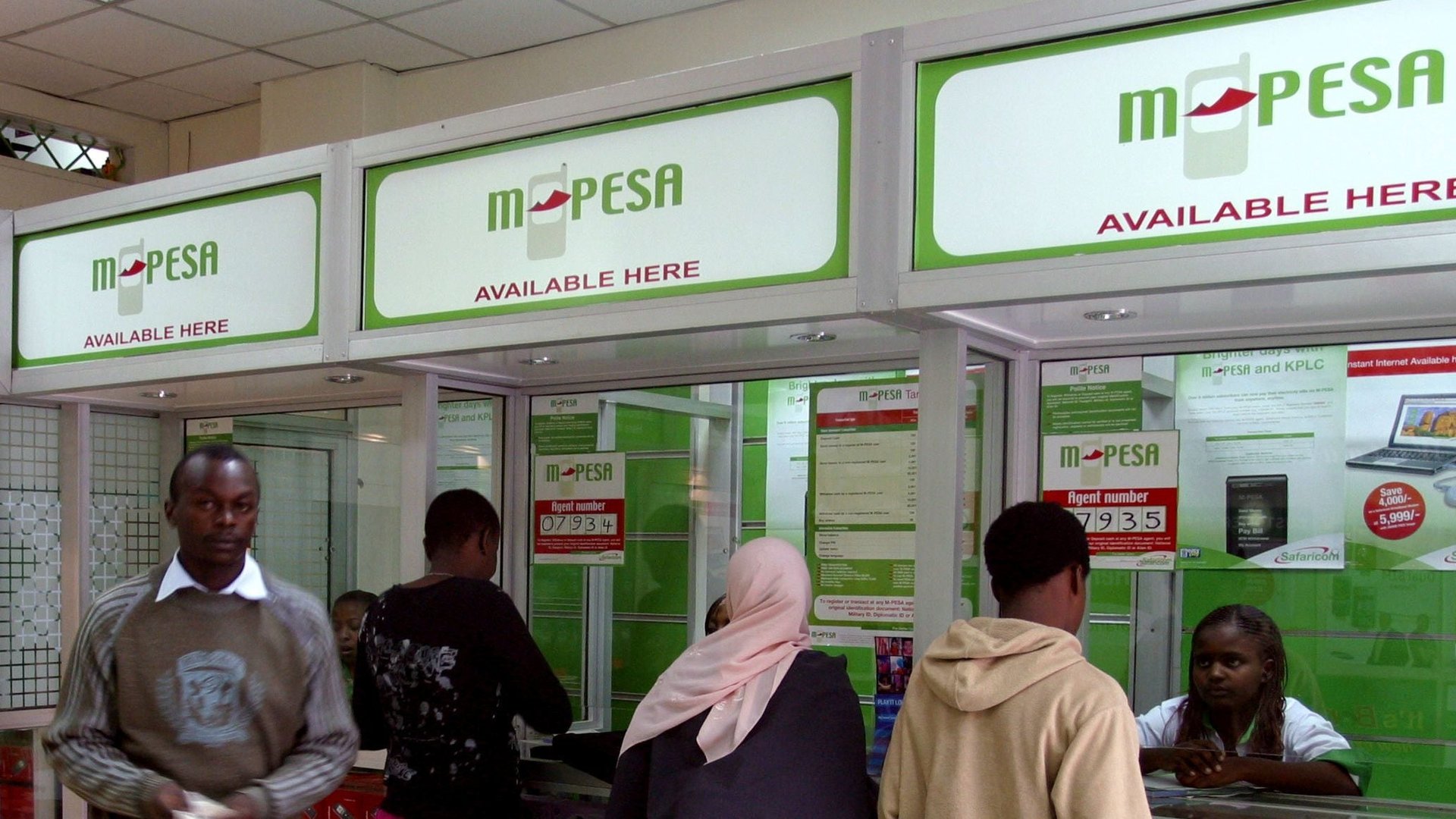
High mobile penetration, a large unbanked population, and widespread informal commerce created ideal conditions for adoption. Over time, mobile money evolved from peer-to-peer transfers into a comprehensive payments ecosystem supporting merchants, utilities, governments, and cross-border trade.
Interoperability and Instant Payments
A defining trend shaping the future is interoperability. Payment systems increasingly connect mobile wallets, bank accounts, and card networks, allowing users to transact seamlessly across platforms. Instant payment rails reduce settlement times from days to seconds, improving liquidity for businesses and convenience for consumers.
National switches and regional payment integrations are helping users send and receive money across borders with lower fees and greater transparency. This interoperability supports trade, freelancing, tourism, and remittances—key drivers of East Africa’s economy.
Merchants, SMEs, and the Informal Economy
Small and medium-sized enterprises are central to the cashless transition. Street vendors, transport operators, and market traders increasingly accept mobile and QR payments due to speed, safety, and lower handling risks. Digital receipts create transaction histories that unlock access to credit and insurance.
As merchant acceptance expands, ecosystems form around payments—inventory tools, payroll, and analytics—raising productivity. For governments, digital payments improve tax compliance and reduce leakages in public collections.
Government Services and Public Trust
Governments across East Africa are accelerating digitalization of services. Cashless channels are used for social transfers, fees, licenses, and utility payments. These systems increase efficiency, accountability, and reach, particularly for remote populations.
Trust underpins adoption. Regulators focus on consumer protection, data privacy, and system resilience. Clear licensing, regulatory sandboxes, and collaboration with telecoms and banks help balance innovation with stability.

Cross-Border Payments and Regional Integration
Cross-border payments represent a major opportunity. Traditional transfers are often costly and slow, limiting intra-regional trade. Cashless solutions now enable near-instant transfers between countries, supporting small traders, exporters, and diaspora remittances.
As regional blocs harmonize standards, East Africa moves closer to a unified digital payments market. This integration reduces friction, boosts competitiveness, and attracts investment into fintech infrastructure.
Technology Trends: QR, Contactless, and APIs
Low-cost QR-code payments are expanding rapidly, especially where hardware costs are a barrier. Contactless cards and NFC-enabled phones are gaining traction in urban centers and transport systems. Open APIs allow developers to build value-added services on top of payment rails, fostering innovation in lending, savings, and insurance.
Cybersecurity and fraud prevention remain priorities. Providers invest in real-time monitoring, customer education, and dispute resolution to maintain confidence as volumes grow.
Challenges to Address
Despite momentum, challenges persist. Network reliability, digital literacy gaps, and affordability can slow adoption in some areas. Fragmented systems and uneven interoperability may limit seamless use. Fraud risks require constant vigilance and coordinated responses.
Addressing these challenges demands collaboration among regulators, fintechs, telecom operators, and banks—alongside investment in infrastructure and skills.
Opportunities for Investors and Innovators
The cashless transition opens opportunities across payments, merchant services, cross-border rails, and embedded finance. Platforms with strong network effects and compliance-first approaches are positioned for durable growth. Adjacent services—credit, insurance, savings—expand lifetime customer value and deepen inclusion.
Conclusion
The future of cashless transactions in East Africa is both promising and practical. With mobile money as its foundation, the region is advancing toward interoperable, instant, and inclusive payment systems. As regulation matures and technology scales, cashless transactions will continue to power commerce, integrate markets, and improve everyday life across East Africa.