
Kenya is widely recognized as a global pioneer in digital payments, largely due to the transformative impact of M-Pesa. Since its launch, mobile money has reshaped how individuals, businesses, and institutions move money across the economy. In 2026, digital payments are deeply embedded in everyday life in Kenya, supporting financial inclusion, commerce, and innovation at scale.
From paying school fees and utility bills to running businesses and accessing credit, M-Pesa has evolved far beyond a simple money transfer service. Its success illustrates how locally tailored technology can solve systemic financial challenges.
The Origins of Kenya’s Digital Payments Revolution
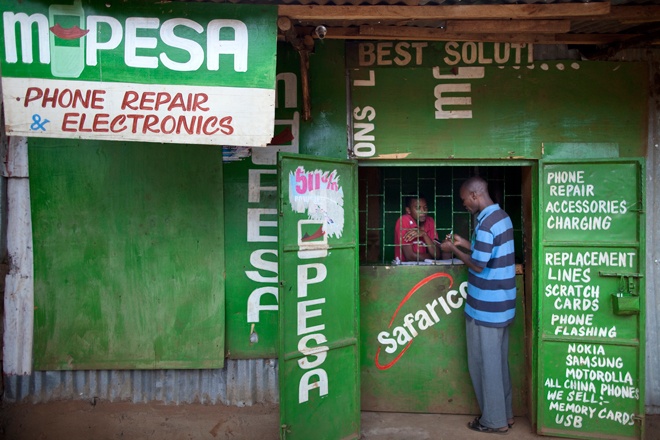
Kenya’s digital payments journey began in the mid-2000s, when limited access to traditional banking created demand for alternative financial solutions. Large segments of the population were unbanked, especially in rural areas where bank branches were scarce.
M-Pesa emerged as a simple, mobile-based money transfer platform that allowed users to send and receive funds using basic phones. Its rapid adoption was driven by ease of use, trust in mobile networks, and a widespread agent system that bridged the gap between cash and digital value.
Over time, M-Pesa became a national payment infrastructure rather than just a product, setting Kenya apart from many other markets.
How M-Pesa Works and Why It Scaled
At the core of M-Pesa’s success is its agent network. Thousands of agents across the country enable cash-in and cash-out transactions, making digital money accessible even in remote locations. This physical-digital bridge ensured that users could trust and rely on the system.
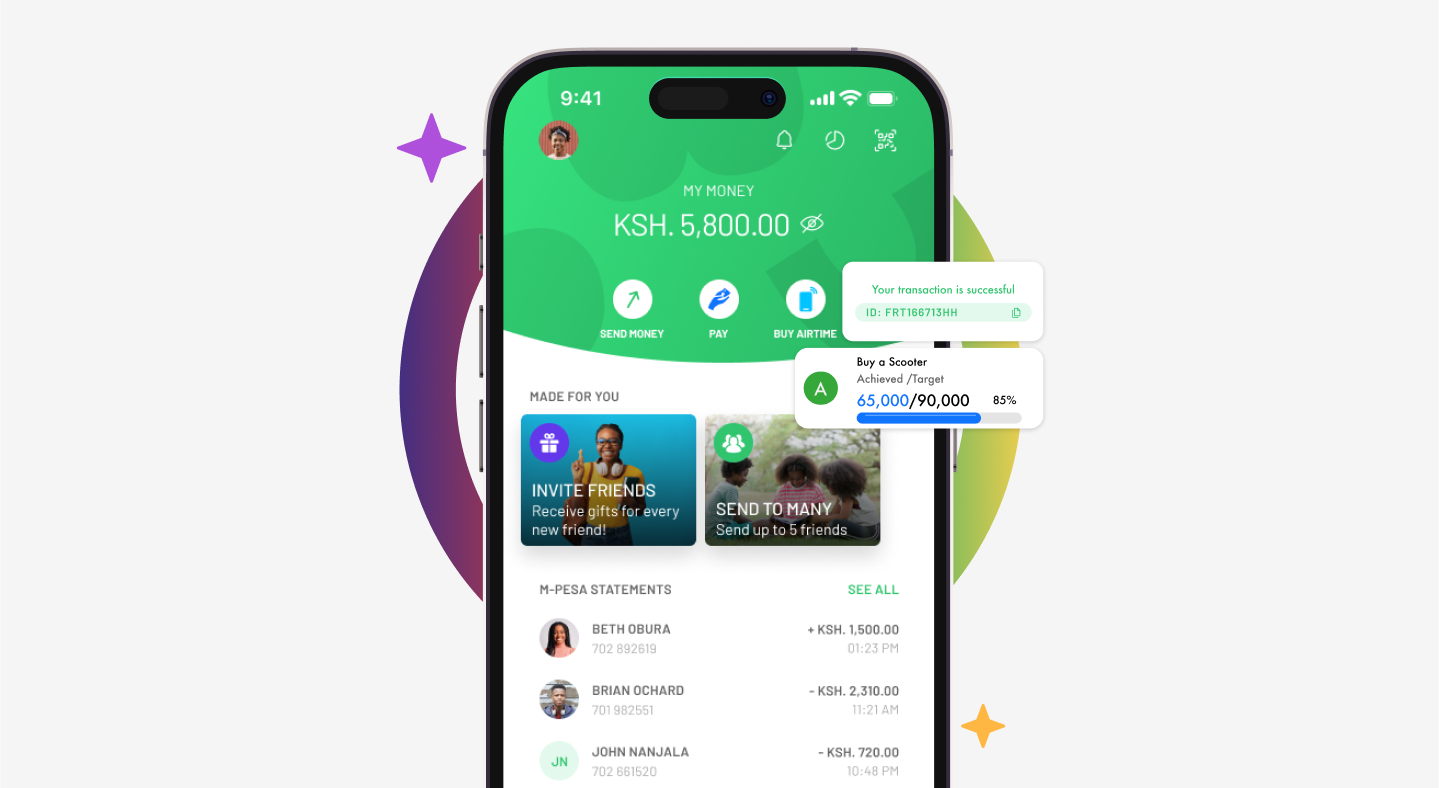
Integration with Safaricom’s mobile network provided scale, reliability, and brand credibility. Users could transact using USSD codes or smartphone apps, ensuring inclusivity across income and technology levels.
Low transaction costs and instant settlement further accelerated adoption. For many users, M-Pesa became faster and safer than cash, reducing theft risks and travel time.
Driving Financial Inclusion
One of M-Pesa’s most significant contributions is financial inclusion. In 2026, millions of Kenyans who previously lacked access to formal banking participate in the digital financial system through mobile money.
M-Pesa enables basic financial activities such as saving, transferring funds, and paying bills. These services form the foundation for more advanced financial products, allowing users to build digital transaction histories.
Financial inclusion has improved household resilience by enabling faster access to funds during emergencies and supporting income management for informal workers and small traders.
Powering Businesses and the Informal Economy
M-Pesa plays a critical role in Kenya’s business environment. Small and medium-sized enterprises rely on mobile payments to receive customer payments, pay suppliers, and manage cash flow. Street vendors, transport operators, and market traders use M-Pesa daily, reducing reliance on physical cash.
Digital records from transactions improve transparency and accountability. For businesses, this data supports access to credit and financial planning. Many lenders assess loan eligibility based on transaction histories rather than traditional collateral.
Large companies and public institutions also use M-Pesa for payroll, collections, and disbursements, reinforcing its position as a national payment backbone.
Expanding Beyond Payments
By 2026, M-Pesa has evolved into a platform supporting a wide range of financial services. Users can access savings products, insurance, investment tools, and digital credit through integrations with banks and fintech partners.
Services such as mobile loans and micro-insurance have expanded access to financial protection and capital. These offerings are particularly important for small businesses and low-income households that lack traditional banking relationships.
Government services also benefit. Digital payments support efficient tax collection, social transfers, and public service delivery, reducing leakages and administrative costs.
Innovation and Interoperability
Kenya’s digital payments ecosystem continues to innovate. Interoperability between mobile wallets, bank accounts, and card networks has improved, giving users flexibility in how they transact. QR-code payments and merchant integrations reduce costs for businesses and simplify customer experiences.
Partnerships with global payment networks like Visa extend M-Pesa’s reach beyond Kenya, supporting cross-border payments and e-commerce.
These innovations position Kenya as a testing ground for payment technologies that can scale across emerging markets.
Regulation, Trust, and Consumer Protection
Regulatory support has been central to M-Pesa’s success. Kenyan regulators have balanced innovation with consumer protection, allowing mobile money to grow while managing systemic risk.
Trust remains a key factor. Consistent service reliability, dispute resolution mechanisms, and user education have strengthened confidence in digital payments. In 2026, cybersecurity and data protection continue to receive increased attention as transaction volumes grow.
Challenges and the Road Ahead
Despite its success, challenges remain. Fraud risks, network outages, and transaction costs can affect user experience. Competition from banks and new fintech players is intensifying, pushing providers to innovate continuously.
However, competition also strengthens the ecosystem by improving services and lowering costs. As Kenya’s economy digitizes further, digital payments will expand into new sectors such as agriculture, healthcare, and cross-border trade.
Digital payments in Kenya illustrate how technology can drive inclusive growth when aligned with local needs. In 2026, M-Pesa remains the cornerstone of this transformation, enabling financial inclusion, powering businesses, and supporting innovation across the economy. As digital ecosystems deepen and interoperability improves, Kenya’s mobile money model continues to influence payment systems far beyond its borders.