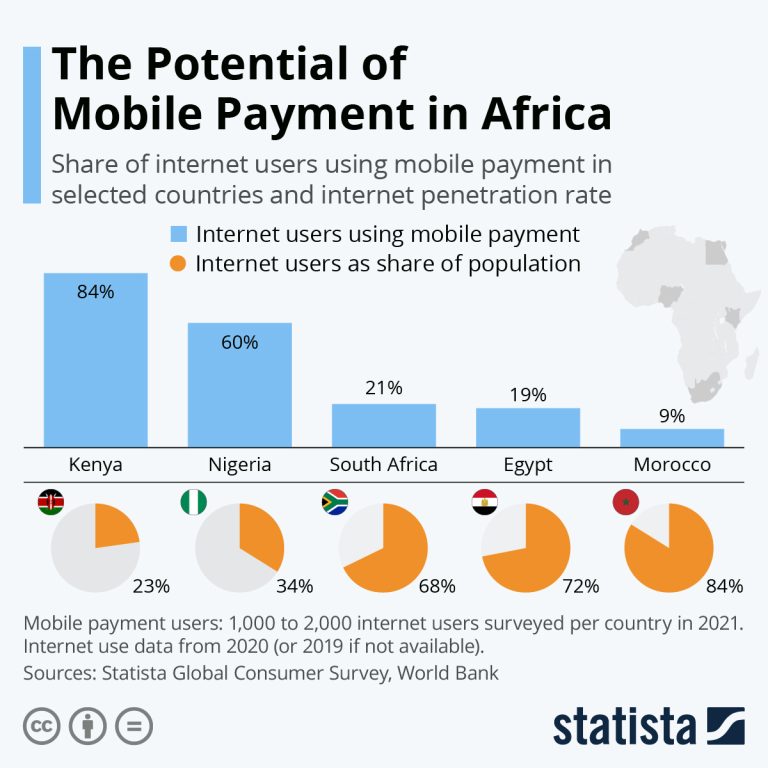
Digital payments are transforming how people and businesses transact across Africa. Driven by mobile technology, fintech innovation, and changing consumer behavior, the shift from cash to digital channels has accelerated rapidly. In 2026, digital payments are no longer a convenience—they are a cornerstone of financial inclusion, commerce, and economic growth across multiple African markets.
From mobile money wallets to instant bank transfers and QR-code payments, Africa’s payment landscape reflects local needs and global innovation. This article explores the key trends shaping digital payments and the opportunities they create for consumers, businesses, and investors.
Why Digital Payments Are Expanding So Fast
Several structural factors explain the rapid adoption of digital payments. First is mobile penetration. Affordable smartphones and widespread mobile networks allow users to transact without traditional bank branches. Second is the large unbanked and underbanked population, which created demand for simple, low-cost alternatives to cash.
Urbanization and the growth of informal commerce have also played a role. Small merchants, transport operators, and service providers benefit from fast, secure payments that reduce cash handling risks. Governments, meanwhile, increasingly rely on digital channels to deliver social payments and collect taxes efficiently.
Mobile Money as the Foundation
Mobile money remains the backbone of Africa’s digital payment ecosystem. Services that allow users to store value, send money, and pay bills using mobile phones have scaled to tens of millions of users. In East Africa, platforms like M-Pesa set the template by enabling peer-to-peer transfers and merchant payments without requiring bank accounts.
Mobile money agents—local shops and kiosks—bridge the gap between cash and digital value. This agent model has been crucial for adoption in rural and peri-urban areas, where bank infrastructure is limited. As a result, mobile money has become embedded in everyday transactions, from groceries to school fees.
Fintech Platforms and Payment Infrastructure

Beyond mobile money, fintech companies are building modern payment rails that connect banks, merchants, and global networks. In West Africa, companies such as Flutterwave and Paystack have simplified online payments for businesses, enabling them to accept cards, transfers, and mobile wallets across borders.
These platforms reduce friction for e-commerce, subscriptions, and digital services. For small and medium-sized enterprises, easy integration and transparent pricing lower barriers to entry, allowing businesses to scale faster and reach new customers.
Interoperability is another key trend. Payment systems increasingly connect mobile wallets, bank accounts, and card networks, giving users flexibility and merchants broader reach.
Card, QR, and Contactless Payments
While cash remains important, card and contactless payments are gaining ground, especially in urban centers. Partnerships with global networks like Visa have expanded card acceptance and improved security standards.
QR-code payments are also growing due to their low cost and ease of deployment. Merchants can accept payments using printed codes, avoiding expensive hardware. This model suits informal retail and transport services, where margins are thin and speed matters.
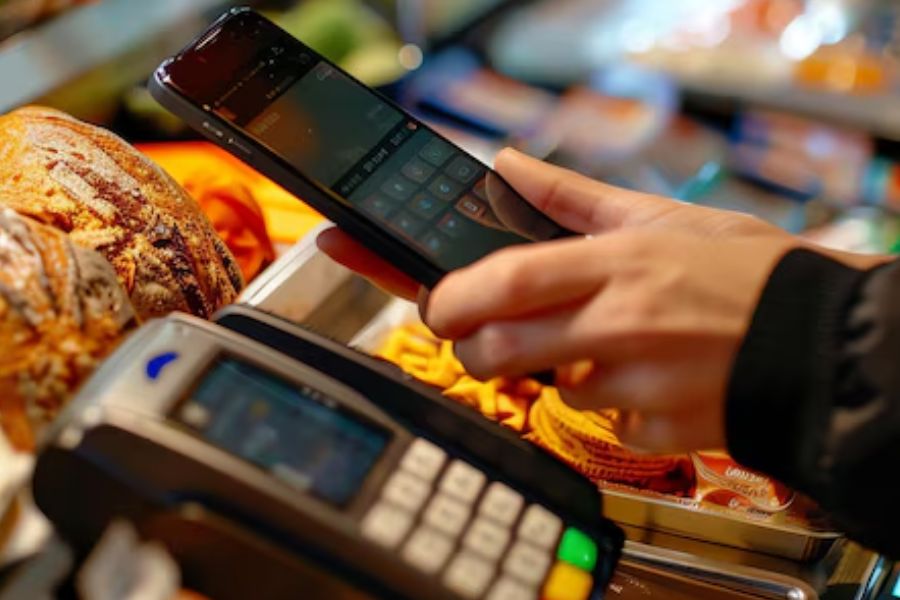
Contactless payments, including tap-to-pay cards and NFC-enabled phones, are becoming more common in supermarkets, fuel stations, and transit systems.
Cross-Border Payments and Remittances
Cross-border payments represent one of the biggest opportunities in Africa’s digital payments market. Intra-African trade and diaspora remittances require faster, cheaper, and more transparent solutions. Traditional cross-border transfers are often slow and expensive.
Fintech-led solutions now enable near-instant transfers between countries, supporting trade, freelancing, and family remittances. Improved cross-border payments reduce costs for businesses and increase disposable income for households.
Regulation and Trust
Regulation plays a central role in sustaining growth. In 2026, regulators across Africa increasingly focus on consumer protection, anti-money laundering, and system stability—without stifling innovation. Clear licensing frameworks and regulatory sandboxes allow providers to test products responsibly.
Trust is equally important. Users adopt digital payments when platforms are reliable, secure, and easy to use. Investment in cybersecurity, dispute resolution, and customer education strengthens confidence and long-term adoption.
Opportunities for Businesses and Investors
The rise of digital payments creates opportunities across multiple sectors:
- Merchants gain faster settlement, better records, and access to credit based on transaction data.
- Consumers benefit from convenience, safety, and access to broader financial services.
- Governments improve efficiency in revenue collection and social payments.
- Investors find scalable platforms with strong network effects and long-term growth potential.
Digital payments also enable adjacent services such as lending, insurance, and savings, deepening financial ecosystems and increasing lifetime customer value.
Challenges to Address
Despite progress, challenges remain. Network reliability, digital literacy, and affordability affect adoption in some regions. Fraud and cyber risks require continuous mitigation. Interoperability gaps can also limit seamless use across providers.
Addressing these issues requires collaboration between regulators, telecom operators, banks, and fintech companies.
The rise of digital payments in Africa marks a fundamental shift in how economies operate. In 2026, mobile money, fintech platforms, and interoperable payment systems are driving inclusion, powering commerce, and enabling cross-border trade. While challenges persist, the opportunities are vast. As infrastructure improves and trust deepens, digital payments will continue to unlock growth and reshape Africa’s financial future.