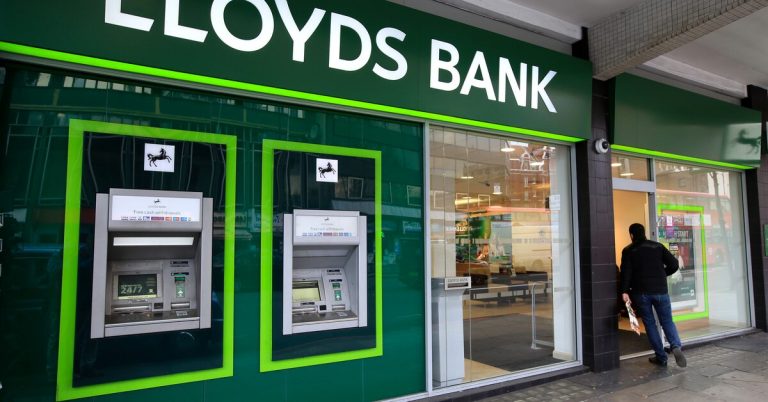
Lloyds Bank has made a groundbreaking move in the world of decentralized finance (DeFi) by successfully completing the first-ever purchase of a Tokenised Gilt in the UK using tokenised deposits on a public blockchain. This milestone, achieved in collaboration with Archax and Canton Network, marks a pivotal moment in the integration of traditional banking with blockchain technology, offering a glimpse into the future of finance.
A Revolutionary Step Toward Mainstream Blockchain Integration
Lloyds’ partnership with Canton Network, a public blockchain platform, enabled the bank to issue a tokenised deposit on the open distributed ledger. This transaction is the first instance in the UK where tokenised deposits have been used for such an operation, positioning Lloyds Bank at the forefront of the evolving financial landscape. The Tokenised Gilt purchase was facilitated by Archax, a regulated digital asset exchange, further highlighting the collaboration between traditional finance and emerging blockchain technologies.
After the deposit was issued, the funds were used to purchase the Tokenised Gilt, with the underlying assets being moved back to Lloyds’ standard banking account through Archax’s platform. This process demonstrates how seamlessly traditional banking systems can now engage with blockchain transactions, bridging the gap between old and new financial infrastructures.
The Future of Finance: Faster, Smarter, and More Efficient
Surath Sengupta, Head of Transaction Banking Products at Lloyds, emphasized the significance of this transaction, calling it a precursor to the future of financial transactions. He stated, “This transaction offers a glimpse into the future of finance; faster, smarter, and more efficient.” The ability to tokenise real-world assets such as deposits on blockchain infrastructure creates new opportunities for businesses, enabling them to transact with greater speed, transparency, and flexibility.
The tokenisation of deposits offers additional benefits without sacrificing the advantages of traditional banking, such as the ability to earn interest while remaining protected under the Financial Services Compensation Scheme. Sengupta described this pilot project as a crucial step in building the financial ecosystem of the future, one that integrates cutting-edge technology with established financial systems.
Revolutionizing Business Banking with Tokenised Deposits
For businesses, the introduction of tokenised deposits provides a significant advantage in terms of managing and moving money. Tokenised deposits allow businesses to retain the benefits of traditional deposits—such as earning interest—while also taking advantage of the efficiencies of blockchain technology. This dual benefit is enhanced by the ability to access a wider range of securities, enabling companies to trade more easily across both blockchain networks and traditional markets using the same cash asset.
One of the most transformative features of tokenised deposits is the ability to settle transactions in real-time. This instant settlement process reduces operational risks, enhances liquidity, and improves the overall efficiency of financial transactions. Additionally, the use of smart contracts in these transactions automates various processes, reducing manual intervention and further lowering operational risk. These automated agreements enable instantaneous execution of transactions, making the entire process faster and more reliable.
The underlying blockchain technology also ensures enhanced visibility, as the Distributed Ledger Technology (DLT) provides a permanent and indisputable record of transactions. This transparency reduces the potential for fraud and increases trust in the financial system, making blockchain an ideal solution for businesses looking to improve the security and integrity of their financial dealings.
The Growing Popularity of Tokenisation in the UK
The shift toward tokenisation is not a one-off event but part of a broader trend within the UK’s financial sector. Banks like Lloyds, HSBC, Nationwide, Barclays, NatWest, and Santander are actively participating in the GBTD (Global Tokenised Deposit) project, which is spearheaded by UK Finance and supported by prominent firms such as EY, Quant, and Linklaters. This initiative is focused on delivering the first live transactions of tokenised sterling deposits in the UK, further cementing the country’s position as a global leader in digital finance.
Jana Mackintosh, Managing Director of UK Finance, hailed the GBTD project as a powerful example of industry collaboration. “This project is a powerful example of industry collaboration to deliver next-generation payments for the benefit of customers and businesses,” she said. Mackintosh also emphasized that tokenised deposits are a secure and regulated evolution of the payments landscape, which aligns with recent calls for innovation in the digital use of money by Andrew Bailey, Governor of the Bank of England.
Tokenised Deposits: A Regulated, Secure Evolution of Money
The move toward tokenisation of deposits reflects a growing recognition of blockchain’s potential to revolutionize how money is used today. By providing a regulated and secure platform for digital transactions, tokenised deposits offer a pathway to more efficient financial systems that still adhere to the strict regulatory requirements that govern the banking sector.
This transformation is not just about introducing new technology, but also about enhancing the security, speed, and efficiency of financial services in a way that benefits businesses, banks, and consumers alike. With its successful implementation of tokenised deposits, Lloyds Bank has positioned itself as a leader in this innovative space, paving the way for more widespread adoption of blockchain-based financial services.
A Bright Future for Blockchain and Banking
As the financial landscape continues to evolve, the integration of blockchain technology with traditional banking systems will likely accelerate. The success of Lloyds Bank’s partnership with Archax and Canton Network represents just the beginning of a broader trend that could reshape how financial institutions operate globally.
Tokenised deposits offer a secure, efficient, and transparent way for businesses and individuals to manage their finances, and with regulatory frameworks already in place, the stage is set for further innovation. As the UK leads the way in the tokenisation of money, other countries and financial institutions will undoubtedly follow suit, ushering in a new era of decentralized finance that brings the benefits of blockchain to the mainstream financial world.