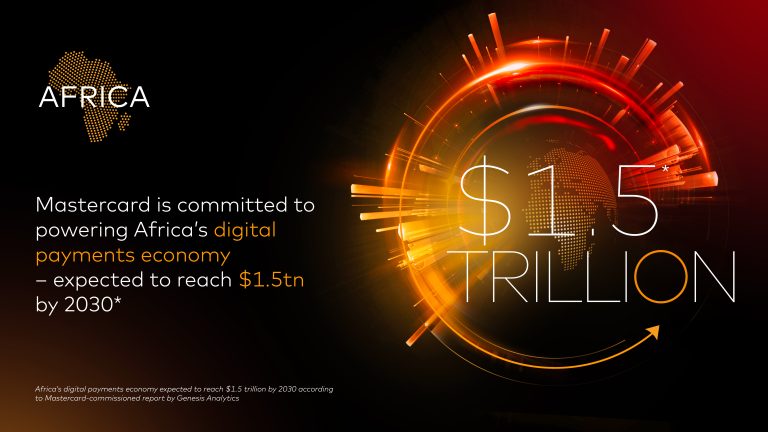
Over the past decade, e-commerce in Africa has experienced remarkable growth, driven by increasing internet penetration, mobile device usage, and, importantly, the rise of digital payments. Digital payment solutions are fundamentally transforming the way businesses and consumers engage with online shopping, making transactions faster, more secure, and more accessible.
As African consumers increasingly move towards online shopping for goods and services, digital payments are at the heart of this revolution. In this article, we will explore the impact of digital payments on e-commerce in Africa, focusing on how these payment systems are reshaping the sector, providing opportunities for growth, and overcoming key challenges.
1. The Growth of E-commerce in Africa
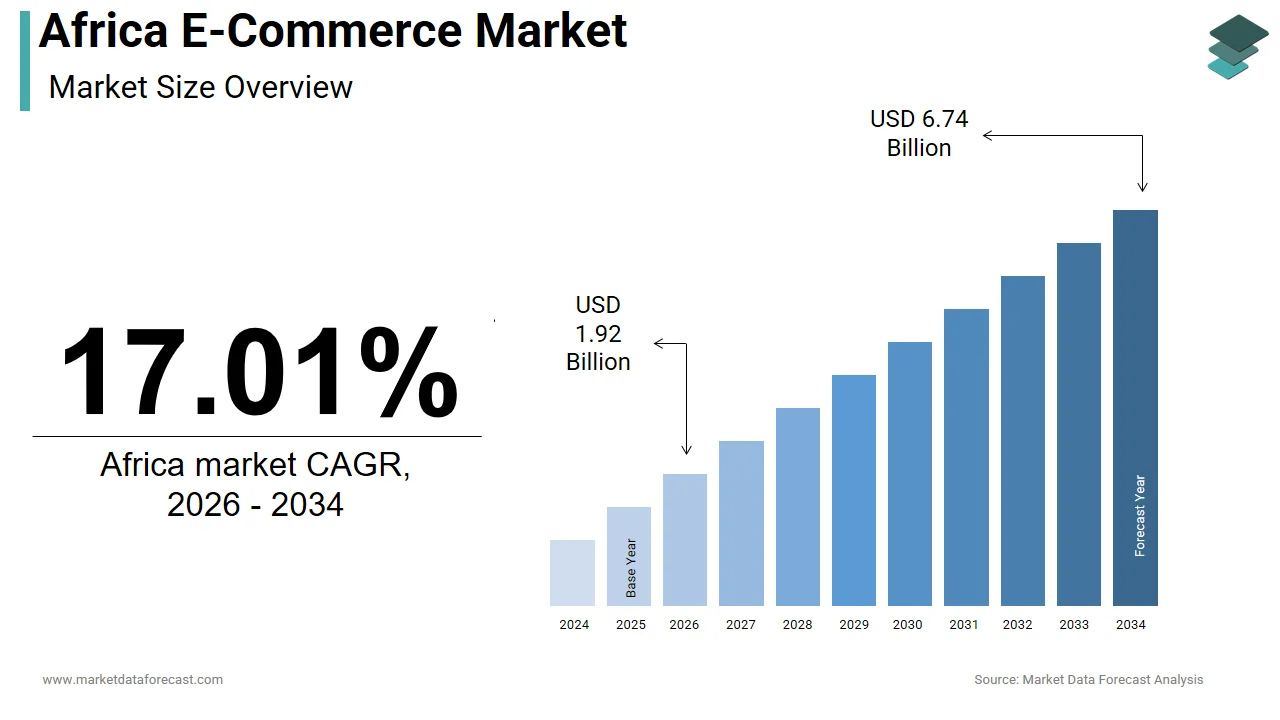
Africa is one of the fastest-growing e-commerce markets in the world. According to reports, the African e-commerce industry is expected to grow at a compound annual growth rate (CAGR) of 10% over the next few years. Several factors are contributing to this growth, including rising internet usage, the proliferation of smartphones, and the increasing affordability of mobile data.
In particular, mobile money platforms like M-Pesa, Paga, and Orange Money have played a pivotal role in facilitating digital transactions, particularly for individuals who may not have access to traditional banking systems. These platforms have enabled millions of consumers to participate in e-commerce, expanding the market reach for both local and international businesses.
As African consumers become more comfortable with digital transactions, online retailers are embracing e-commerce platforms that integrate seamless digital payment solutions, creating an increasingly dynamic digital economy.
2. How Digital Payments Drive E-commerce Growth
Convenience and Accessibility
The most obvious impact of digital payments on e-commerce in Africa is the convenience they offer to consumers and businesses alike. Traditional payment methods such as cash on delivery or bank transfers often involved long processing times and sometimes unreliable systems. With digital payments, consumers can complete purchases quickly and securely, which has driven higher conversion rates for e-commerce platforms.
For businesses, digital payments enable smoother transactions by offering a variety of payment methods that are tailored to local preferences, whether it’s mobile payments, credit cards, or digital wallets. This flexibility increases the accessibility of online shopping for consumers in both urban and rural areas, expanding the potential market for e-commerce companies.
Security and Trust
Digital payments have played a significant role in enhancing the security and trust associated with online transactions. With the introduction of secure payment gateways, encrypted transactions, and fraud protection systems, consumers are more confident making payments online.
The rise of payment solutions like Paystack and Flutterwave in Nigeria, which offer safe and secure online payment processing, has helped to build trust in the e-commerce ecosystem. These payment platforms have also made it easier for merchants to accept payments from international customers, broadening their customer base and enabling businesses to compete on a global scale.
Growth of Cross-Border E-commerce
As digital payments become more accessible and reliable, cross-border e-commerce has become a key driver of growth in the African market. Consumers are no longer restricted to buying from local merchants; they can shop from international e-commerce platforms, thanks to secure and efficient cross-border payment solutions.
For example, platforms like Jumia have been able to expand their operations across multiple African countries, providing consumers with a variety of international and local products. Similarly, African businesses can now reach global customers, offering products and services through global marketplaces like Amazon, AliExpress, and eBay.
Cross-border payments, enabled by digital payment solutions, allow businesses to easily accept payments from customers worldwide. This opens up new markets for African businesses, which can now export goods and services more efficiently.
3. The Role of Mobile Payments in E-commerce
Mobile payments are one of the driving forces behind the growth of e-commerce in Africa. With smartphone penetration rapidly increasing across the continent, mobile payments offer an easy and accessible way for consumers to make transactions online. According to the GSMA Mobile Economy Report, over 600 million people in Africa now have access to mobile phones, and mobile money solutions have become the backbone of many transactions.
Mobile payment platforms such as M-Pesa in Kenya, Paga in Nigeria, and MTN Mobile Money in several West and Central African countries enable consumers to complete purchases online using their phones. These systems work well in regions with limited access to traditional banking infrastructure, where many consumers do not have credit cards or bank accounts.
Mobile payments offer several advantages for e-commerce in Africa, including:
- Low transaction fees: Compared to traditional banking systems, mobile money solutions often charge lower fees, making online shopping more affordable for consumers.
- Accessibility: With mobile phones becoming ubiquitous, more people can participate in the digital economy, whether they’re paying for goods, services, or bills.
- Speed: Mobile payments are fast, enabling consumers to complete transactions in seconds, which is essential for the fast-paced nature of online shopping.
4. Challenges Facing Digital Payments in African E-commerce
Despite the advantages, there are still several challenges to overcome in the digital payment landscape:
Internet Connectivity Issues
While internet penetration is increasing across Africa, reliable internet access remains a challenge, especially in rural areas. Slow or unreliable internet connections can disrupt online transactions, affecting both consumers and businesses.
Governments and private companies need to invest in expanding internet infrastructure to ensure that digital payment systems are accessible to a larger population. Improving 4G and 5G network coverage will be essential for the future growth of e-commerce.
Digital Literacy and Awareness
Digital literacy remains low in many African countries, especially among older generations or those living in remote areas. Many consumers may not fully understand how to use digital payment systems or may have concerns about the security of online transactions.
E-commerce platforms and financial institutions must focus on educating consumers about digital payments, cybersecurity, and the benefits of online shopping. Training programs, awareness campaigns, and user-friendly interfaces will help overcome this barrier.
Regulatory and Fraud Concerns
As digital payments continue to grow, regulation becomes increasingly important to ensure fair practices, secure transactions, and consumer protection. Many African countries are still developing their regulatory frameworks for digital payments, which can lead to confusion and inconsistency in how payment solutions are implemented.
Fraud is also a significant concern, with cyberattacks on e-commerce platforms and mobile money systems posing risks to both consumers and businesses. Robust cybersecurity measures and regulatory oversight are needed to create a safe and secure digital payment environment.
5. The Future of Digital Payments and E-commerce in Africa
As we move into 2026, the future of digital payments and e-commerce in Africa looks promising. With continued investment in mobile payments, improved internet infrastructure, and enhanced regulatory frameworks, digital payments will continue to drive the growth of e-commerce across the continent.
Innovations in blockchain technology, cryptocurrencies, and AI-powered payment solutions may further revolutionize the way transactions are conducted, reducing costs and enhancing security. As African consumers become more digitally savvy, e-commerce platforms will need to adapt to the evolving landscape, offering personalized experiences and faster, more secure payment options.
Conclusion
Digital payments have fundamentally transformed e-commerce in Africa, driving economic growth, expanding access to financial services, and improving the overall efficiency of online transactions. As mobile and internet penetration continues to rise, the digital payment landscape will continue to evolve, offering even more opportunities for businesses and consumers.
While challenges such as connectivity, literacy, and regulation remain, the future of e-commerce in Africa is bright. With continued investment in digital payment solutions and infrastructure, African businesses will be better positioned to thrive in the global marketplace, providing customers with seamless, secure, and accessible shopping experiences.