
The digital payments landscape in Africa has experienced tremendous growth over the past decade. With mobile money platforms like M-Pesa in Kenya, Flutterwave in Nigeria, and Paga in Ethiopia, digital payment solutions have become a driving force for financial inclusion, economic growth, and convenience across the continent. However, as the industry expands, so too do the regulatory challenges that governments and payment service providers must navigate.
From data privacy to cross-border transactions, African countries face a unique set of obstacles in creating a regulatory framework that encourages innovation while ensuring security, fairness, and inclusivity. In this article, we will explore the key regulatory challenges facing digital payments in Africa, the efforts to address them, and the implications for the future of financial services on the continent.
1. Lack of Unified Regulations Across the Continent
One of the primary challenges facing digital payments in Africa is the lack of uniform regulatory frameworks across the continent. Unlike regions like the European Union or North America, where there are established regional regulations, Africa’s digital payments industry is fragmented, with each country having its own rules and standards.
While East Africa has seen relatively consistent regulations, with countries like Kenya, Tanzania, and Uganda sharing similarities in their approach to mobile money regulation, other regions are not as aligned. For instance, countries like Nigeria, South Africa, and Egypt have their own distinct regulatory environments for digital payments.
This fragmentation creates significant challenges for businesses that operate across multiple countries. Companies must navigate various rules on issues like licensing, anti-money laundering (AML) requirements, know-your-customer (KYC) standards, and consumer protection laws, leading to additional costs and complexity.
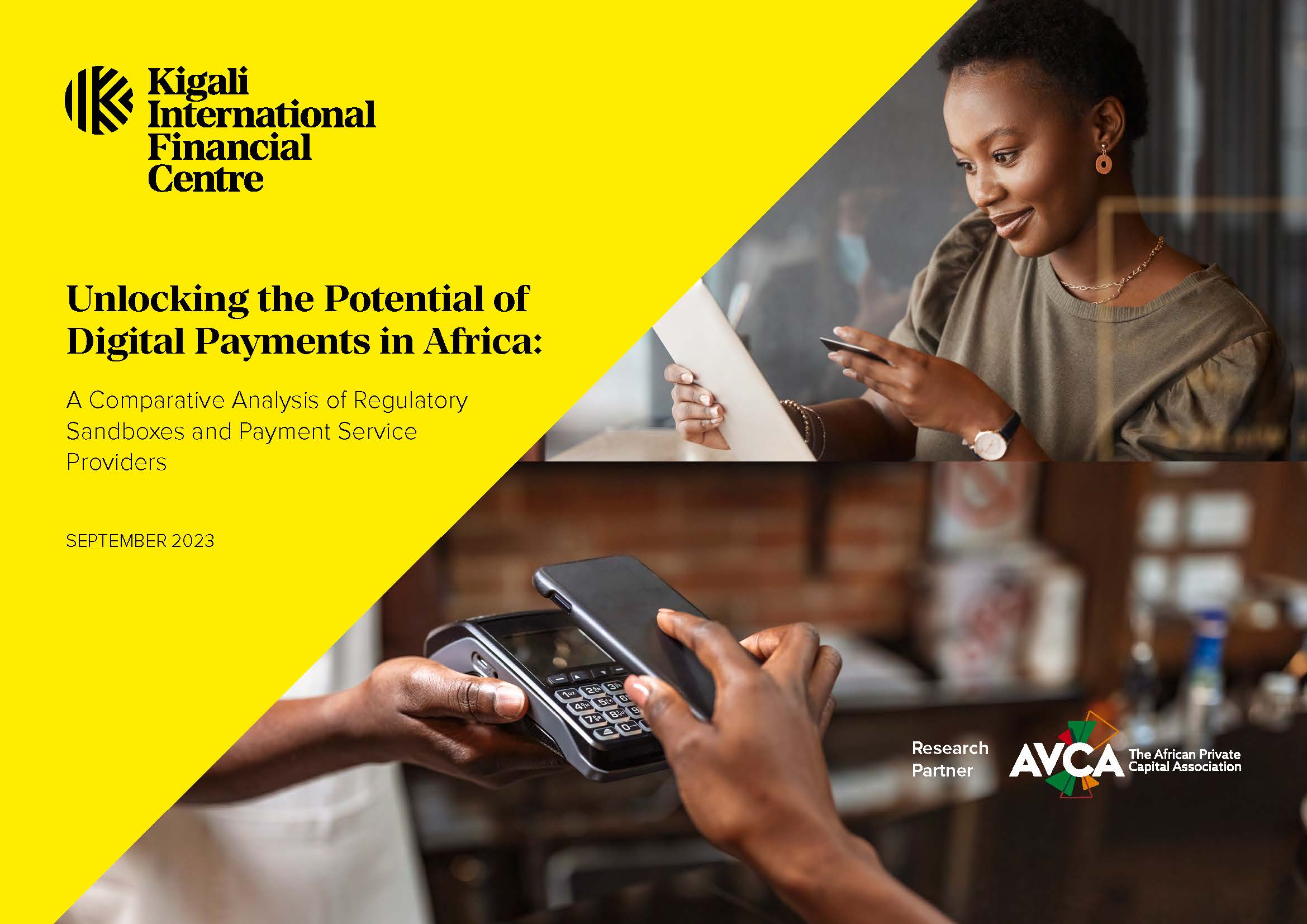
In 2026, regional cooperation and the development of a continental regulatory framework will be essential for fostering consistency, simplifying cross-border transactions, and boosting investment in Africa’s growing digital payments sector.
2. Data Privacy and Security Concerns
As digital payments in Africa become more prevalent, data privacy and security are becoming major regulatory concerns. Digital payment platforms handle vast amounts of sensitive personal information, including financial data, identification details, and transaction history. This makes them attractive targets for cyberattacks and data breaches, which could have serious consequences for both consumers and businesses.
In many African countries, data protection laws are still evolving, and enforcement remains inconsistent. While some countries, like South Africa, have enacted comprehensive data protection regulations (the Protection of Personal Information Act, or POPIA), many others lack sufficient legal frameworks to protect users’ privacy and ensure the security of digital payments.
With increasing cybercrime incidents and concerns over the safety of personal data, regulators in Africa will need to adopt more robust data protection laws and enforce cybersecurity measures to safeguard digital transactions. The implementation of strong data privacy policies and security standards will be key to encouraging trust in digital payment systems and ensuring their continued growth.
3. Financial Inclusion and Access to Digital Payments
While digital payments offer financial inclusion opportunities, particularly for unbanked populations, access to digital payment solutions remains a challenge for many people in Africa, especially in rural areas. Despite the success of mobile money platforms like M-Pesa, millions of Africans still lack access to the internet, smartphones, or formal financial institutions.
Regulators face the difficult task of ensuring that digital payment solutions are inclusive and accessible to all segments of society. Some countries have introduced regulations aimed at improving financial inclusion, such as allowing low-cost mobile money transfers or digital wallets for individuals without bank accounts. However, the infrastructure to support these services is still developing, and many people remain excluded from the formal financial system.
Governments and regulators must continue to work towards expanding access to internet connectivity and digital literacy, while ensuring that digital payment systems are affordable and accessible to underserved populations. Policy changes aimed at reducing the cost of mobile data and ensuring broader mobile network coverage could help address these challenges.
4. Cross-Border Payment Regulations
As Africa’s digital economy grows, there is a growing demand for cross-border payments. Businesses and individuals across the continent need to send money, pay for goods, and transfer funds between countries, but existing regulations and infrastructure often make these transactions difficult, slow, and expensive.
The African Continental Free Trade Area (AfCFTA), established in 2021, has the potential to drive regional integration and ease cross-border transactions. However, without standardized payment systems and regulatory frameworks for digital payments, barriers remain to seamless cross-border financial services.
One challenge is the high cost of cross-border payments, which remains significantly higher in Africa compared to other regions. Countries have varying exchange rate policies, and many digital payment platforms are not yet integrated to allow for seamless multi-currency transfers.
In the future, regulators must work together to create a harmonized cross-border payment system that reduces transaction costs and increases the speed of payments. Initiatives like Central Bank Digital Currencies (CBDCs) could help streamline cross-border payments and provide a more cost-effective way of conducting international transactions.
5. Regulation of Cryptocurrencies and Blockchain Technologies
Cryptocurrencies, such as Bitcoin and Ethereum, have gained significant popularity in Africa, with countries like Nigeria, South Africa, and Kenya seeing high levels of adoption. However, the regulatory environment around cryptocurrencies is still uncertain, and many African governments have taken a cautious approach to their integration into the financial system.
While cryptocurrency regulations are in their early stages in many African nations, some countries like Nigeria have issued warnings about the use of cryptocurrencies for illegal activities like money laundering and terrorism financing. On the other hand, nations such as South Africa are exploring blockchain technology for its potential to improve transparency and efficiency in financial services.
Regulators must find a balance between allowing the innovative potential of blockchain and the need to control financial stability and consumer protection. Clearer regulations and frameworks for cryptocurrency exchanges, taxation, and AML/KYC procedures will be necessary to ensure that digital currencies are used safely and ethically across the continent.
6. The Path Forward: Navigating the Regulatory Landscape
The future of digital payments in Africa depends on the ability of regulators and businesses to work together to address these challenges. As more countries adopt digital payment solutions, it is crucial to create harmonized regulations that promote innovation, protect consumers, and ensure financial stability.
Governments should focus on improving digital infrastructure, promoting financial literacy, and enacting clear data protection and cybersecurity laws to create a safe and inclusive digital payments ecosystem. Additionally, regulators must encourage cross-border cooperation to reduce barriers to trade and enhance regional integration.
Conclusion
The rise of digital payments in Africa presents both tremendous opportunities and significant regulatory challenges. While the benefits of digital payments are clear—improved financial inclusion, lower transaction costs, and increased business efficiency—regulatory obstacles such as data security, cross-border payment complexities, and access remain to be addressed.
In 2026, Africa’s regulatory landscape for digital payments will continue to evolve. By fostering collaboration between governments, businesses, and consumers, the continent can build a robust and sustainable digital payment ecosystem that supports economic growth, inclusion, and innovation.