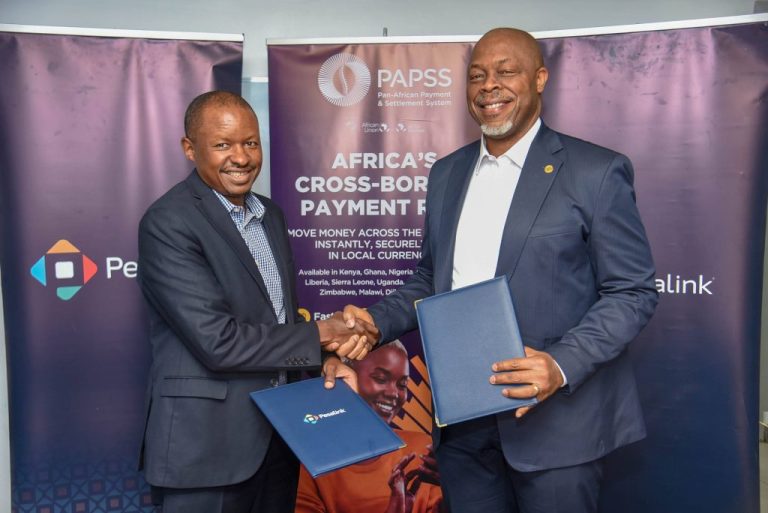
The Pesalink PAPSS partnership marks a transformative step for instant cross-border payments across Africa. Specifically, this collaboration enables 24/7 transactions from PAPSS participants directly into Kenyan banks and mobile money operators. Consequently, settlements occur in local currencies, reducing reliance on foreign reserve currencies. Moreover, the initiative simplifies complex correspondent banking requirements. Therefore, businesses and individuals benefit from faster, cheaper regional transfers.
Furthermore, the Pesalink PAPSS partnership connects over 80 Kenyan financial institutions with more than 160 commercial banks and fintechs on the PAPSS platform. Indeed, Pesalink now serves as a Technical Connectivity Provider. Thus, this integration expands access to seamless payment channels across the continent. Additionally, the partnership addresses longstanding challenges in African cross-border transactions. Hence, it supports broader financial inclusion and economic growth objectives.
Cross-border payments within Africa have historically been costly and slow. Specifically, the 2023 World Bank Remittance Prices report indicates average fees of 7-8% per transaction. Moreover, settlement times often span three to seven business days. Consequently, these barriers hinder trade and remittance flows for SMEs and individuals. Therefore, the Pesalink PAPSS partnership directly targets these inefficiencies through technological innovation. Indeed, reduced costs and accelerated settlements empower regional commerce.
PAPSS CEO Mike Ogbalu III emphasized the strategic importance of this collaboration. Specifically, he stated that partnerships with national switches like Pesalink are essential for delivering true impact. Furthermore, Pesalink represents the first switch piloted for transaction termination in Kenya. Thus, early adoption signals strong potential for scalability. Additionally, opening more channels for local-currency payments enhances accessibility. Hence, the Pesalink PAPSS partnership creates a foundation for continent-wide financial integration.
Pesalink CEO Gituku Kirika highlighted tangible benefits for Kenyan financial institutions. Specifically, banks can now offer faster, cheaper cross-border payment services. Consequently, their customers gain capacity to grow regional trading relationships. Moreover, thriving in a more integrated digital economy becomes achievable. Therefore, the Pesalink PAPSS partnership strengthens Kenya’s position as a fintech hub. Additionally, it encourages innovation among local banks and mobile money operators.
Technical execution underpins the partnership’s success. Specifically, Pesalink’s instant and interoperable network facilitates 24/7 payments via apps, online platforms, or USSD. Furthermore, its operation under Integrated Payment Services Limited ensures regulatory compliance. Thus, security and reliability remain paramount. Additionally, the National Payment System Act framework provides robust governance. Hence, users can trust the Pesalink PAPSS partnership for secure transactions.
The Pan-African Payment and Settlement System brings complementary strengths. Indeed, as an Afreximbank initiative with African Union support, PAPSS enables efficient money flows across borders. Consequently, minimizing risk and contributing to regional financial integration becomes feasible. Moreover, its platform of over 160 commercial banks offers extensive reach. Therefore, combining PAPSS’s continental scope with Pesalink’s Kenyan infrastructure creates powerful synergies. Thus, the Pesalink PAPSS partnership exemplifies collaborative problem-solving.
Economic implications extend beyond transaction efficiency. Specifically, reduced payment costs can increase disposable income for remittance recipients. Furthermore, faster settlements improve cash flow for small businesses engaged in cross-border trade. Consequently, these factors stimulate local economic activity. Additionally, enhanced financial connectivity attracts foreign investment. Hence, the Pesalink PAPSS partnership supports sustainable development goals across participating nations.
Regulatory alignment facilitates smooth implementation. Specifically, both Pesalink and PAPSS operate within established legal frameworks. Therefore, compliance with anti-money laundering and data protection standards is maintained. Moreover, ongoing dialogue with central banks ensures adaptive policy responses. Thus, the partnership can scale responsibly. Additionally, transparency in settlement processes builds stakeholder confidence. Hence, the Pesalink PAPSS partnership models best practices for regional financial infrastructure.
Looking ahead, the success of this collaboration could inspire similar initiatives. Specifically, other African nations may seek to integrate their national payment switches with PAPSS. Consequently, a continent-wide network of interoperable systems could emerge. Furthermore, standardization of technical protocols would enhance efficiency. Therefore, the Pesalink PAPSS partnership serves as a catalyst for broader transformation. Indeed, its pilot status in Kenya provides valuable lessons for expansion.
In conclusion, the Pesalink PAPSS partnership represents a significant advancement for African financial integration. Specifically, it enables instant, local-currency cross-border payments at reduced costs. Moreover, it connects extensive networks of banks, fintechs, and mobile money operators. Therefore, businesses and individuals gain practical tools for regional engagement. Ultimately, this collaboration demonstrates how technology and cooperation can overcome historical barriers. Hence, continued investment in such partnerships will accelerate Africa’s digital economy growth. Additionally, monitoring adoption metrics and user feedback will guide future refinements. Thus, the Pesalink PAPSS partnership stands as a promising model for inclusive, efficient cross-border finance.
READ: Ericsson Mastercard digital payments partnership expands